What Dubai businesses spend on marketing in 2026: AED 10,000 to 25,000 a month for a visible local presence, with channel rates, four benchmark budgets and a seasonality check.
Petrol Station Advertising in Dubai: 2026 Costs & Formats
Summary:
Petrol station advertising in Dubai explained — 2026 costs for pump ads, forecourt screens and station branding across ENOC and ADNOC networks.
August 06, 2026
Petrol station advertising in Dubai runs through the ENOC and ADNOC networks, with digital forecourt screens and pump-station formats typically costing from a few thousand dirhams per station monthly at network scale in 2026 — indicative packages of AED 15,000–60,000 per month buying rotation across multi-station clusters — alongside pump nozzle ads, forecourt branding, convenience-store media and car-wash formats priced per element. The pitch is unique in outdoor: a national audience of drivers, stationary for 3–5 minutes, standing beside their single biggest recurring expense. Here is how the medium works and what it costs.
What does petrol station advertising cost in Dubai in 2026?
| Format | Indicative cost (AED) | Attention moment |
|---|---|---|
| Digital forecourt / pump-top screens | few thousand per station /month; 15,000 – 60,000 for network packages | The 3–5 minute fuelling wait |
| Pump nozzle & dispenser ads | per-element pricing, network-quoted | Hands-on, unavoidable eye level |
| Forecourt branding & floor media | custom by station footprint | Drive-in and walk-past visibility |
| C-store screens & shelf media | network-quoted | Purchase-moment adjacency |
| Station takeovers / canopy branding | premium, per-site quotes | Landmark presence on major roads |
Pricing is loop- and network-based like other DOOH: confirm stations included, screen counts, spot length and plays per day when comparing packages. Ranges above are indicative market packages for 2026 — exact rates vary by network, station traffic tier (SZR and arterial-road stations premium) and share of voice; production for screen creative is minimal.
Why petrol stations are outdoor's captive-audience bargain
The fuelling stop is a structural attention window: every driver in Dubai refuels regularly, the wait is 3–5 unhurried minutes, phones are discouraged on forecourts, and the screen is at eye level beside the pump. That combination — mandatory visit, dwell time, low distraction — produces engagement quality most formats can't buy at any price. The audience skews precisely where advertisers aim: car owners by definition, spanning every community and income tier, with premium-station selection (SZR, Jumeirah, arterial commuter routes) tilting reach toward affluent segments. And frequency is built in — the same commuters refuel at the same stations weekly, compounding recall the way lift and metro media do.
Who gets the best results from forecourt media?
The natural fits: automotive everything — insurance (renewal messaging to drivers mid-fuelling is almost unfairly targeted), car services, tyres, leasing, dealerships; convenience and impulse categories — F&B, delivery apps, retail offers redeemable immediately, aided by the C-store steps away; financial services and telecom hunting mass car-owning audiences with simple offers; and local businesses buying the 3–5 stations ringing their catchment — the same neighbourhood-domination logic as elevator media, executed on forecourts. QR-code offers perform unusually well here: the audience is standing, waiting and holding nothing.
How do you buy and creative-fit the medium?
Buying rules: select stations by route and audience (commuter arterials for mass reach, premium districts for affluent targeting), buy clusters rather than scattered singles for area density, negotiate multi-month network terms (10–20% typical), and demand the loop maths in writing. Creative rules: silent-first with large type, one message and one action; offers beat brand-only (the medium's transactional context rewards "do this now"); localize by station where the network allows (Arabic-weighted creative at community stations, offer variants by district); and refresh monthly against the built-in frequency.
How do you measure petrol station campaigns?
The formats' geography makes measurement clean: station-cluster-specific QR codes and short URLs, offer codes by district, WhatsApp keywords per campaign, and — for local advertisers — enquiry and footfall lift in covered catchments versus baseline. Insurance and automotive advertisers can go further, matching renewal-quote volumes against station flight periods. With per-station costs in low thousands and audiences counted in weekly refuelling thousands, cost per attentive local impression ranks among Dubai's most efficient.
DataMySite books petrol station media across Dubai's fuel networks — station selection, package negotiation, creative and reporting — through our petrol station screen advertising services.
Related Articles
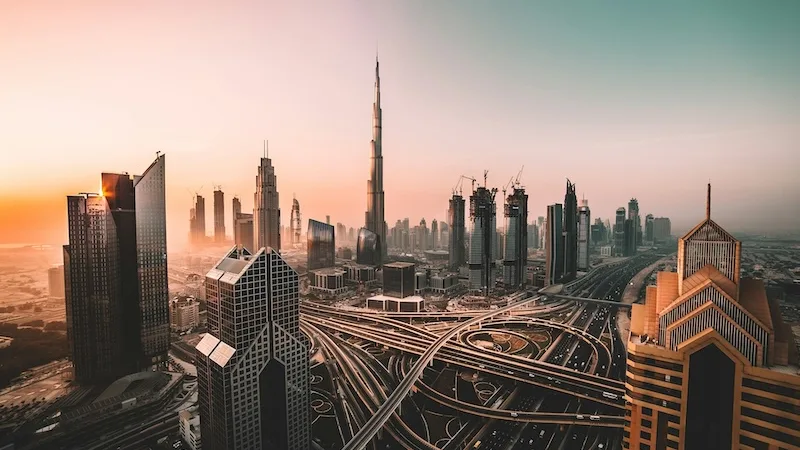
Marketing Budget Benchmarks for Dubai Businesses in 2026
Published On - October 26, 2026
Top Advertising Agencies in Dubai (2026): Who Does What Best
Published On - October 26, 2026
The top advertising agencies in Dubai for 2026, compared by what each does best: creative networks, integrated groups, independents and media specialists, with 2026 rates.
Influencer vs Celebrity Marketing: Which Wins in the UAE
Published On - October 26, 2026
Influencers from AED 500 a post, celebrities from AED 20,000 an appearance to seven figures. When each wins in the UAE, the costs side by side and a decision rule.




Before You Leave
Get a Free Strategy
From Dubai's Top Ad Agency
Our experts respond in 60 min — no commitment, no cost.
D
Ava · datamysite
Usually replies instantly
Powered by Claude · DataMySite