Transit media advertising in Dubai: complete 2026 cost guide covering Metro, taxi, bus, tram, airport, ferry & fleet formats. Rates from AED 3,500 (taxi interior) to AED 220,000+ (Metro train wrap).
How Much Does Metro Advertising Really Cost in Dubai? 2026
Summary:
Dubai Metro advertising costs for 2026 — real AED rates for station takeovers, train wraps, digital screens and platform panels, plus ROI guidance.
July 30, 2026
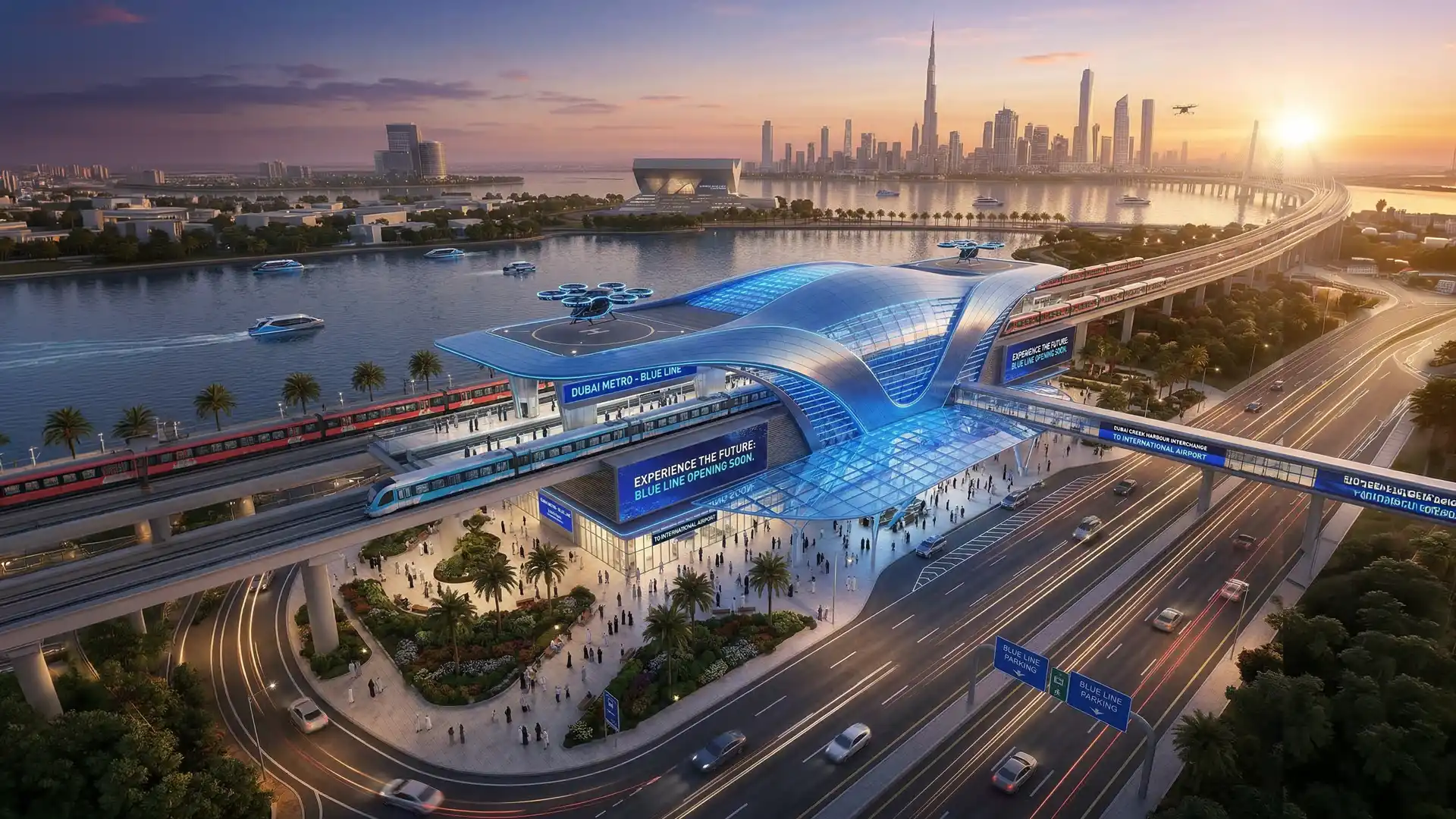
Dubai Metro advertising costs from AED 5,000 per month for a platform light box to AED 500,000+ for a full train wrap in 2026. The working ranges: digital platform screens run AED 8,000–25,000 per screen monthly, station digital LED displays AED 15,000–60,000, full station takeovers AED 80,000–250,000, and train wraps AED 150,000–500,000+ per train. Against 670,000+ daily passengers, that spread makes the Metro one of the few media where startups and mega-brands genuinely share the same platform — literally. Here is the full pricing breakdown.
What are Dubai Metro advertising rates in 2026?
| Format | Monthly cost (AED) | Best for |
|---|---|---|
| Platform light box panels | 5,000 – 15,000 | Local businesses, sustained presence |
| Digital platform screens | 8,000 – 25,000 per screen | Rotating creative, promotions |
| Station digital LED displays | 15,000 – 60,000 | High-impact placement at flagship stations |
| In-train panels & stickers | from ~5,000 | Captive ride-time audience |
| Full station takeover | 80,000 – 250,000 | Launches, domination campaigns |
| Train wrap (exterior + interior) | 150,000 – 500,000+ per train | City-wide moving landmark |
Premium stations — BurJuman, Union, Dubai Mall/Burj Khalifa, Mall of the Emirates — price at the top of each band because footfall and dwell time are highest there. Production, printing and installation are typically quoted separately, and all creative requires RTA approval.
Why does Metro advertising work so well in Dubai?
Three structural advantages. Volume: the network moves 670,000+ passengers daily across the Red and Green Lines — commuters, tourists, students and professionals crossing the city's commercial spine. Dwell time: unlike a billboard glimpsed at 100 km/h, Metro audiences wait on platforms, ride escalators and sit through 20–40 minute journeys — repeated, unhurried exposure that builds recall the way frequency-based media are supposed to. Environment: stations are clean, well-lit, premium spaces, and brand perception transfers; a station takeover reads as a statement of scale in a way few formats match at the price.
Which Metro format fits which budget?
Under AED 15,000/month: platform light boxes at one or two stations along your customers' commute — a hyper-local play for clinics, restaurants, education and services near specific stations. AED 15,000–60,000: digital screens at a flagship station, or a spread of panels across 3–5 stations on one line, with QR codes driving measurable response. AED 80,000–250,000: a full takeover of a premium station — columns, walls, gates, floor graphics — the launch-week format that makes a brand unmissable to every passing commuter. AED 150,000+: train wraps, which turn the train itself into a moving landmark seen from roads, platforms and viral social posts along the entire line. Costs at the top end can range from AED 150,000 to more than AED 1 million per month for the most ambitious station-plus-train combinations.
How long should a Metro campaign run?
Minimum one month — most placements are booked monthly — but the medium rewards patience: the same commuters pass the same panels twice daily, so recall compounds across weeks. The proven pattern for 2026 planners is 3 months at 10–25% negotiated discounts versus month-to-month rates, timed to avoid your creative launching in the quietest season. Book premium stations 4–6 weeks ahead; takeover inventory at Dubai Mall/Burj Khalifa and Union sells out around peak retail periods.
How do you measure Metro advertising ROI?
Use station-specific QR codes and short URLs (different per station to read placement performance), WhatsApp keywords printed on panels, promo codes, and branded-search lift in analytics during the flight versus baseline. With daily impressions in the hundreds of thousands, effective CPMs on mid-tier Metro formats routinely land in single-digit dirhams — competitive with digital display, with none of the brand-safety or ad-blocking loss. For direct-response advertisers, in-train panels with QR codes are the strongest format: the audience is seated, phones in hand, with minutes to act.
Is Metro advertising worth it compared to other transit media?
Metro versus taxi is the common comparison: taxis (AED 2,500–15,000 per vehicle) roam the whole city and excel at broad awareness, while Metro concentrates massive, repeat footfall at fixed premium points with far longer dwell time. The strongest 2026 transit plans use both — taxis for coverage, Metro for depth — under one creative platform. If forced to choose on a limited budget: choose Metro when your audience commutes or your business sits near a station; choose taxis when your market is spread across residential Dubai.
DataMySite manages the entire Metro process — RTA approvals, station selection, production and installation — through our Metro advertising services in Dubai.
Related Articles
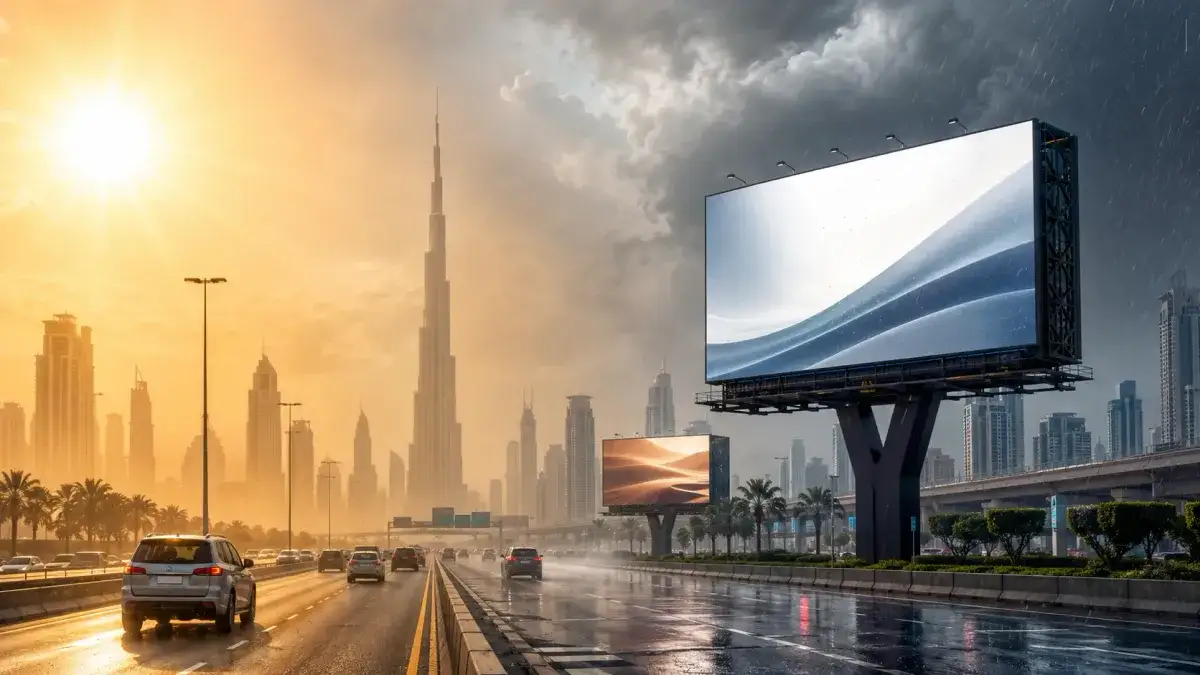
Transit Media Advertising Dubai — Complete Cost Guide 2026
Published On - October 12, 2026
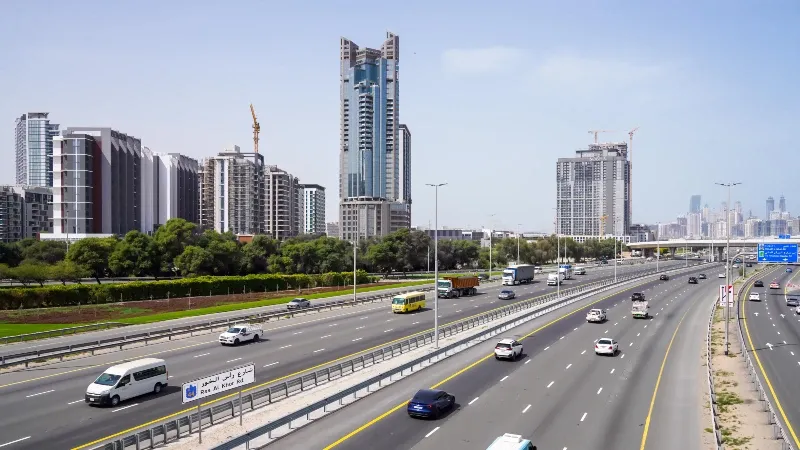
Bridge Banner Advertising Dubai — Costs, Locations & Campaign Guide 2026
Published On - October 12, 2026
Bridge banner advertising in Dubai starts from AED 25,000/month. Complete guide to prime bridge locations (Al Safa, Business Bay), format sizes, permit requirements, and 2026 rates.
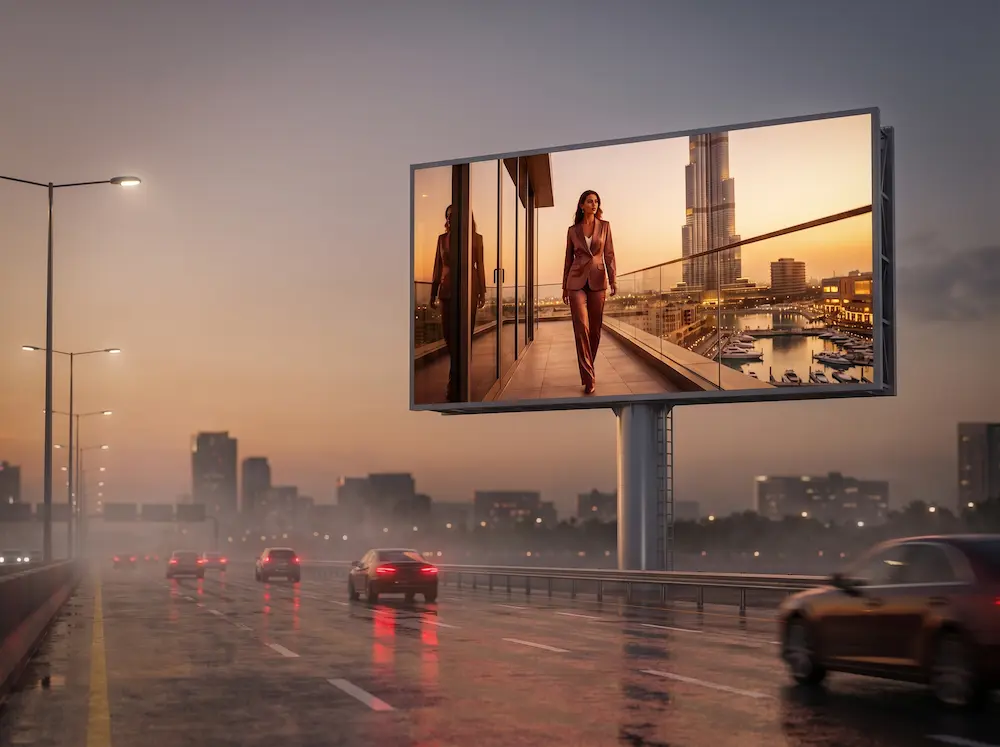
Unipole Advertising Dubai — Sheikh Zayed Road Billboard Rates 2026
Published On - October 12, 2026
Unipole advertising in Dubai starts from AED 45,000/month. Complete guide to SZR unipole rates (AED 75,000–220,000), prime highway locations, digital vs static, and booking process 2026.




Before You Leave
Get a Free Strategy
From Dubai's Top Ad Agency
Our experts respond in 60 min — no commitment, no cost.
D
Ava · datamysite
Usually replies instantly
Powered by Claude · DataMySite