Transit media advertising in Dubai: complete 2026 cost guide covering Metro, taxi, bus, tram, airport, ferry & fleet formats. Rates from AED 3,500 (taxi interior) to AED 220,000+ (Metro train wrap).
How to Run a Legally Compliant Influencer Campaign in UAE
Summary:
A guide to running a compliant influencer campaign in the UAE — the licensing and disclosure rules, brand liability, and how to stay on the right side.
July 20, 2026
Influencer marketing in the UAE comes with something many brands overlook until it costs them: strict, actively enforced regulation. The rules on licensing, disclosure and content are real, and crucially, brands are jointly liable for what their influencers post. Getting compliance right isn't just legal box-ticking — it protects your budget and reputation. Here's how to run a campaign that stays on the right side.
Why UAE compliance is different
The UAE regulates influencer marketing more strictly than most markets, and the government's posture toward digital advertising is increasingly firm. Non-compliance carries fines and reputational risk in a market where brand trust is hard-won. Unlike some countries where enforcement is loose, the UAE's rules are genuinely applied — which means treating compliance as optional is a real gamble.
The licensing requirement
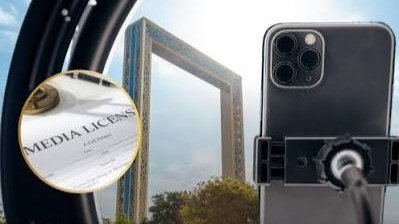
Influencers conducting paid promotional activity in the UAE must hold a valid media licence. This is why established, professional creators cost more than casual ones — their fees factor in annual licensing. For brands, the practical implication is clear: verify that any creator you pay holds the appropriate licence. Working with unlicensed influencers for paid promotion exposes both the creator and your brand to regulatory action.
Disclosure is mandatory — and specific
Every paid partnership must be clearly disclosed. And "clearly" has a specific meaning: the disclosure — "paid partnership," "ad," "#ad," or the Arabic equivalent — must be visible in the content itself, not buried at the end of a long caption or hidden among dozens of hashtags. Vague or concealed disclosure doesn't satisfy the requirement. This is the rule non-professional creators most often get wrong, so it needs to be explicit in every brief.
Brands are jointly liable
This is the point that changes everything: if your influencer fails to disclose a partnership or makes an unsubstantiated claim, your brand faces regulatory action alongside the creator. You cannot outsource the risk. That means compliance can't be left entirely to the influencer's discretion — it has to be built into your contracts, your briefs and your approval process.
Content and claims rules
Beyond disclosure, content itself is regulated. The UAE has low tolerance for false or misleading claims, so price guarantees, health and efficacy claims, and comparative claims require genuine substantiation. Certain categories — alcohol without proper licensing context, gambling, unregistered financial products, and pharmaceuticals — face additional restrictions or outright prohibition. And content must respect the UAE's cultural and values framework. Brief creators on all of this before anything goes live.
How to build compliance into your campaign
Practical steps make this manageable:
- Verify licensing before you contract any creator.
- Write disclosure and claims requirements into the contract, not just the brief.
- Brief creators on appropriate language before each post — a standard practice for PR agencies managing UAE campaigns.
- Approve content before it publishes, so you catch issues while they're still fixable.
- Keep records of approvals and disclosures.
Why an agency helps here
A competent influencer agency in the UAE handles compliance as a built-in part of campaign management — vetting licences, governing content, and briefing creators on the rules. For brands working directly with influencers, all of that responsibility falls in-house, and the joint-liability rule makes mistakes expensive. This is one of the clearest areas where professional management pays for itself, simply by keeping you out of regulatory trouble.
The bottom line
A compliant UAE influencer campaign rests on three pillars: licensed creators, clear and visible disclosure, and substantiated, culturally appropriate content — all backed by contracts and an approval process, because your brand shares the liability. Build these in from the start and compliance becomes routine rather than a risk, letting you focus on the results the campaign is meant to deliver.
Categories that face extra restrictions
Some sectors carry additional rules and demand extra care. Health, wellness and cosmetic products cannot make unsubstantiated efficacy claims. Financial products and services face scrutiny and often require specific approvals. Alcohol is tightly restricted and can only be promoted within particular licensed contexts. Gambling is prohibited. And any claim of "best," "number one" or guaranteed results needs genuine substantiation. If your brand sits in any of these categories, build the relevant restrictions into your brief and legal review before content is produced, not after.
What happens if you get it wrong
The consequences of non-compliance are real. Regulators can impose fines on both the influencer and the brand, content can be ordered down, and — in a market where reputation is currency — the reputational damage of being publicly cited for a violation can outweigh the fine itself. Because brands are jointly liable, "the influencer didn't disclose it" is not a defence. Treating compliance as a genuine risk to manage, rather than a formality, protects both your budget and your brand's standing.
A simple compliance checklist
Before any campaign goes live, confirm: the creator holds a valid media licence; disclosure wording is agreed and will be clearly visible; all claims in the content are substantiated; the content respects cultural and category rules; you've reviewed and approved the content pre-publication; and you've kept records of it all. Run every campaign through this short checklist and compliance becomes a routine step rather than a source of anxiety.
The bottom line
UAE influencer compliance rests on licensed creators, visible disclosure, and substantiated, culturally appropriate content — enforced through your contracts and approval process, because the liability is shared. Build it in from the start and it becomes routine, freeing you to focus on results instead of risk.
Handled well, compliance is not a burden but a competitive advantage. Brands that consistently run clean, properly disclosed, well-substantiated campaigns build trust with both regulators and consumers — and in a market where credibility drives purchasing, that trust compounds. Getting compliance right is simply part of running a professional influencer programme in the UAE, and it protects the very brand reputation your marketing exists to build in the first place.
Want compliant, professionally managed influencer campaigns? Explore our influencer marketing services in Dubai.
Related Articles
Transit Media Advertising Dubai — Complete Cost Guide 2026
Published On - October 01, 2026
Bridge Banner Advertising Dubai — Costs, Locations & Campaign Guide 2026
Published On - October 01, 2026
Bridge banner advertising in Dubai starts from AED 25,000/month. Complete guide to prime bridge locations (Al Safa, Business Bay), format sizes, permit requirements, and 2026 rates.
Unipole Advertising Dubai — Sheikh Zayed Road Billboard Rates 2026
Published On - October 01, 2026
Unipole advertising in Dubai starts from AED 45,000/month. Complete guide to SZR unipole rates (AED 75,000–220,000), prime highway locations, digital vs static, and booking process 2026.




Before You Leave
Get a Free Strategy
From Dubai's Top Ad Agency
Our experts respond in 60 min — no commitment, no cost.
D
Ava · datamysite
Usually replies instantly
Powered by Claude · DataMySite